These pictures show us where renewable energy sources could be laid out in village areas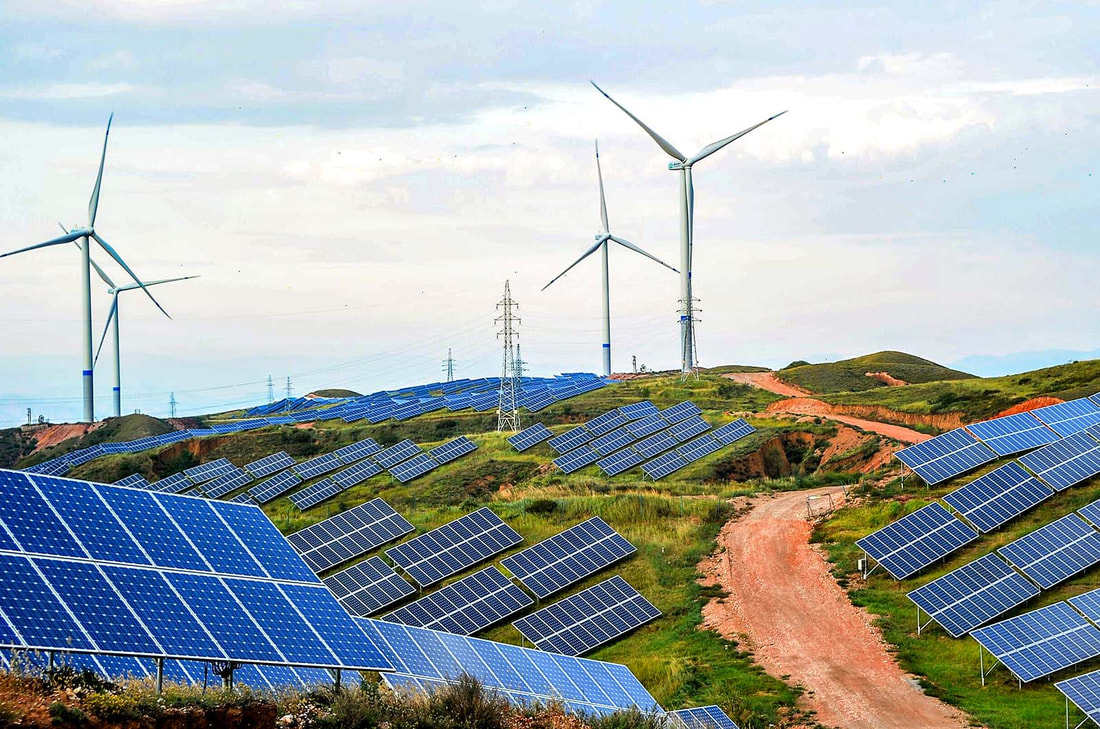
|
As climate change becomes an increasingly evident issue and crude oil prices continue to rise, people are turning to renewable energy sources as an alternative energy to fossil fuels. For our analysis , we considered the question: Is there a direct correlation between the amount of electricity generated from renewable energy sources in the United States over the past ten years and the price of crude oil in the United states over the past ten years? What sources of renewable energy generated the most power in the United States? How has the percentage of energy generated from renewable energy sources in the United States changed over the past ten years?
Below, our article talks about why this is important and what renewable energy is. Renewable energy is any source of energy that will never be diminished (EPA, 2021). These sources produce little to no greenhouse gases compared to nonrenewable energy sources such as fossil fuels, which pollute the environment. |
|
EDUCATE, INVEST, DONATE
How To Help |
|
What Could Renewable Energies do for Developing Countries?
By: Akshat Gupta, Pranit Guntupalli, Gautham Anne
As climate change becomes an increasingly evident issue and crude oil prices continue to rise, people are turning to renewable energy sources as an alternative energy to fossil fuels. We want to take a look at countries that could benefit more then others with renewable energies such as solar panels because these countries have low air quality, high pollution, and fatality rates above many other countries. We think one of the main reasons for this is evidently caused by fossil fuels and by switching to renewable energies, change over time could occur in centuries and maybe even decades.
In a short interview that was on a panel with Elon Musk, he talks about how in theory, it would be extremely easy to power all of China's coastal cities with the help of solar panels because of all the open land that exists in China. (Dr. Infographics, 2018). During the interview, Mr. Musk's simple solution to powering many of China's cities was to make sure that coastal cities were being fed power lines from villages that had flat surfaces so solar power could run and power whole cities. In summary, this idea led the interviewer and audience to be impressed that this idea was further taken and implemented in different ways around the world. These opportunities also help the economy because new jobs would be created for installing, maintaining, and creating more solar panels.
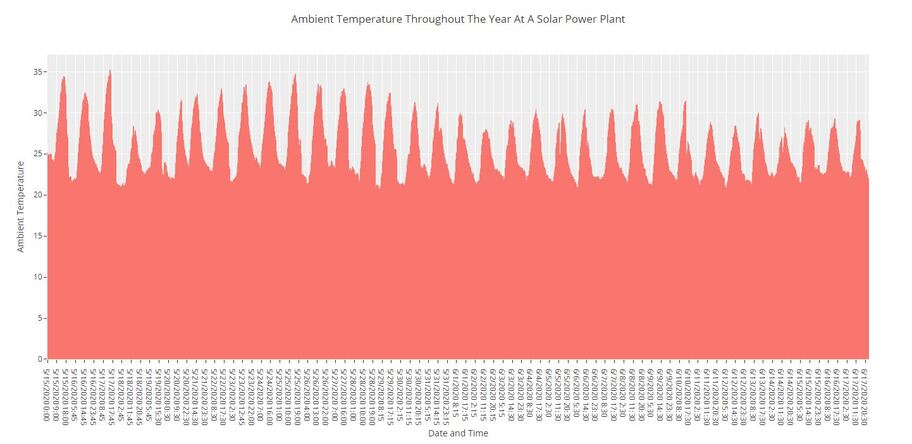
Taking a look at the graph that is shown above, you can see the temperature at a solar panel power plant in an average temperature area in India. These temperatures in India have never peaked over 95 degrees Fahrenheit (35 C) because the power plants that have renewable energies don't contribute to extreme temperature changes. (Guntupalli, 2021). Keep in mind, India is a hot country so staying below 95 degrees Fahrenheit is extremely impressive for one location. If we were to compare this to fossil fuels, which have contributed to climate change, lower air quality, and pollution in many densely populated areas numbers would be increasing in years and even sometimes months!
According to Earthava, India is said to have 4 out of the 7 largest global solar plants. Even though this means that the use of solar power in India is increasing, it is important to highlight potential areas where solar power could improve developing villages, which could become towns. (Harrison, 2018). Many mainstream cities use solar power, but many of the villages in India go unturned leaving them with poor power systems, and hard to access electricity. An example of a village is Kerala, where many farmers and workers must go miles for working water, electricity, and their jobs. If the attention was shifted from big cities to smaller villages, it would help hundreds of millions of people by giving them new jobs, and by making necessities easier to access. This doesn't have to apply only to India, but villages in China, Brazil, and Kenya also suffer from many of the same things. To focus only on big cities is leaving many rocks unturned, which could result in developing countries falling behind.
As climate change becomes an increasingly evident issue and crude oil prices continue to rise, people are turning to renewable energy sources as an alternative energy to fossil fuels. We want to take a look at countries that could benefit more then others with renewable energies such as solar panels because these countries have low air quality, high pollution, and fatality rates above many other countries. We think one of the main reasons for this is evidently caused by fossil fuels and by switching to renewable energies, change over time could occur in centuries and maybe even decades.
In a short interview that was on a panel with Elon Musk, he talks about how in theory, it would be extremely easy to power all of China's coastal cities with the help of solar panels because of all the open land that exists in China. (Dr. Infographics, 2018). During the interview, Mr. Musk's simple solution to powering many of China's cities was to make sure that coastal cities were being fed power lines from villages that had flat surfaces so solar power could run and power whole cities. In summary, this idea led the interviewer and audience to be impressed that this idea was further taken and implemented in different ways around the world. These opportunities also help the economy because new jobs would be created for installing, maintaining, and creating more solar panels.
Taking a look at the graph that is shown above, you can see the temperature at a solar panel power plant in an average temperature area in India. These temperatures in India have never peaked over 95 degrees Fahrenheit (35 C) because the power plants that have renewable energies don't contribute to extreme temperature changes. (Guntupalli, 2021). Keep in mind, India is a hot country so staying below 95 degrees Fahrenheit is extremely impressive for one location. If we were to compare this to fossil fuels, which have contributed to climate change, lower air quality, and pollution in many densely populated areas numbers would be increasing in years and even sometimes months!
According to Earthava, India is said to have 4 out of the 7 largest global solar plants. Even though this means that the use of solar power in India is increasing, it is important to highlight potential areas where solar power could improve developing villages, which could become towns. (Harrison, 2018). Many mainstream cities use solar power, but many of the villages in India go unturned leaving them with poor power systems, and hard to access electricity. An example of a village is Kerala, where many farmers and workers must go miles for working water, electricity, and their jobs. If the attention was shifted from big cities to smaller villages, it would help hundreds of millions of people by giving them new jobs, and by making necessities easier to access. This doesn't have to apply only to India, but villages in China, Brazil, and Kenya also suffer from many of the same things. To focus only on big cities is leaving many rocks unturned, which could result in developing countries falling behind.

|
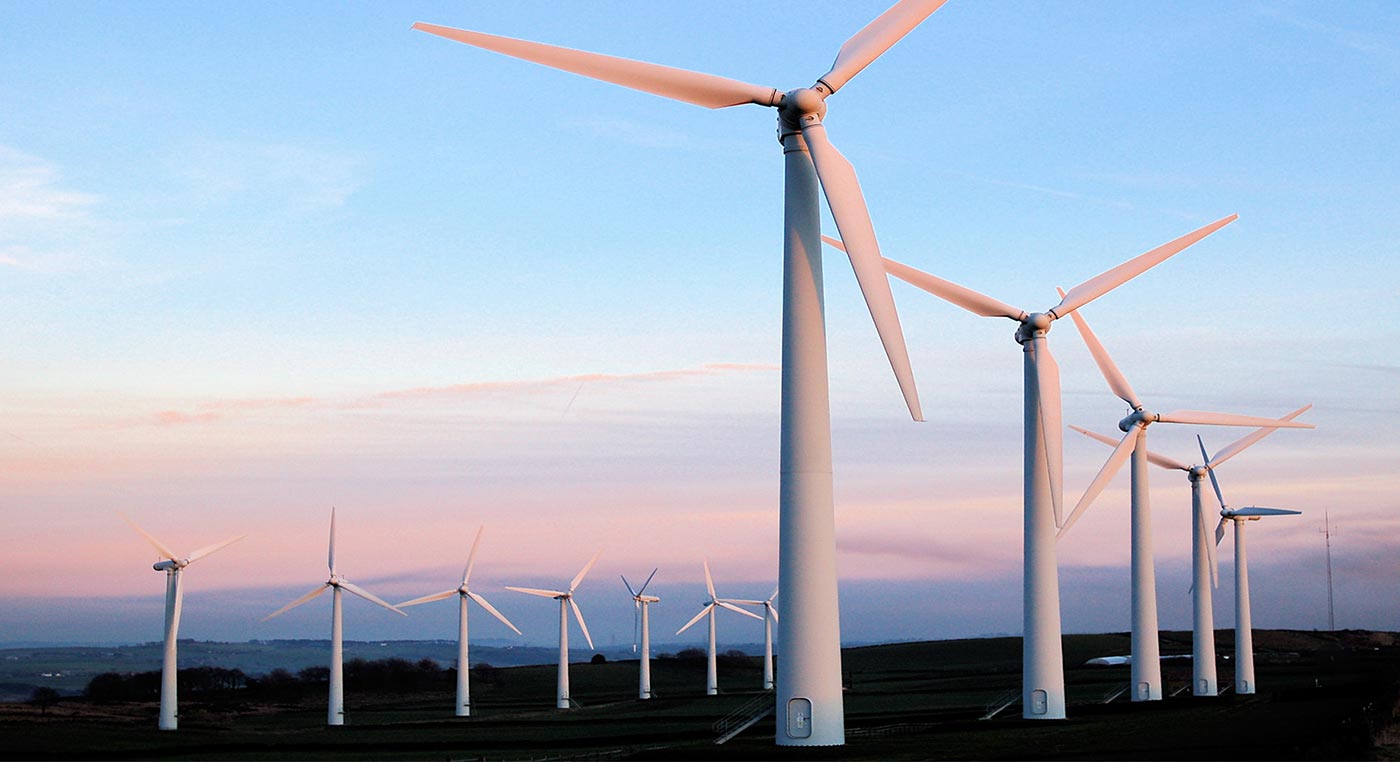
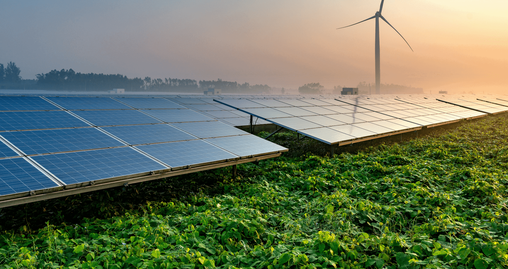
In summary, resources should be shifted across multiple different fronts in developing countries and 3rd world countries to help villages and not just cities. Although cities have the lowest air qualities, solar panels and wind turbines could be placed in villages and power both cities and villages. It is important to make sure we protect 3rd world countries to preserve the people and culture.
|

1500 Sullivan Rd, Aurora, IL 60506
|

[email protected]
[email protected] [email protected] ILLINOIS MATHEMATICS AND SCIENCE ACADEMY |
Photo used under Creative Commons from Raed Mansour
